

The XB-70
The Mach 3 rivalry between the YF-12 and the XB-70.
The B-70 Valkyrie was designed as a high-altitude, high-speed strategic bomber, with a planned cruising speed of Mach 3 and an operating ceiling of 70,000 feet. However, changing circumstances would ultimately lead the aircraft to play a very different role in aviation history.
Although the B-70 represented a remarkable technological achievement, it was developed during a period when the future of manned bombers was increasingly uncertain. In the late 1950s and early 1960s, many policymakers believed that manned aircraft were becoming obsolete and that missiles would define the future of strategic warfare. Consequently, the Kennedy administration canceled plans to deploy the B-70.
By then, two experimental XB-70A prototypes were already under construction at North American Aviation. Despite the cancellation, the U.S. Air Force purchased both aircraft for research into the aerodynamics, propulsion systems, and other characteristics of large supersonic aircraft.
North American Aviation had nevertheless produced the first Mach 3 bomber. The six-engine Valkyrie could reach Mach 3 only in short bursts due to the intense aerodynamic heating involved, rather than sustaining that speed in cruise. Even so, the company’s public relations team promoted the aircraft extensively, emphasizing its ability to fly higher and faster than any aircraft before it.
The YF-12
On the opposite side of Edwards Air Force Base (AFB), the YF-12 Blackbird guarded its secrets closely. Derived from the A-12, the YF-12 featured a second cockpit for the missile launch controller.
The three YF-12s occupied the seventh, eighth, and ninth positions on the A-12 production line. They were designated YF-12A high-altitude, Mach 3 interceptors.
The most significant modifications involved reshaping the A-12’s nose by trimming back the chines to make room for the large Hughes AN/ASG-18 fire-control radar. The system had originally been developed for the XF-108 and incorporated two infrared search-and-track sensors into the forward chine edges. A second cockpit was also added for the crew member responsible for operating the fire-control radar and air-to-air missile system. With these changes, the aircraft could readily reach Mach 3.
According to Donn A. Byrnes and Kenneth D. Hurley in their book Blackbird Rising: Birth of an Aviation Legend, the YF-12 and XB-70 were being tested at Edwards AFB at the same time. It was only natural that personnel from both programs would gather at the same bar after work. One of the local watering holes was known as Hernandez Hideaway.
Mach 3 rivalry
YF-12 test pilots routinely reached Mach 3, a speed the XB-70 would encounter far fewer times over its entire service life.
Jim Eastham had grown tired of hearing the XB-70 praised day after day. A Lockheed test pilot, Eastham had already flown the A-12 and was now assigned to the YF-12 program.
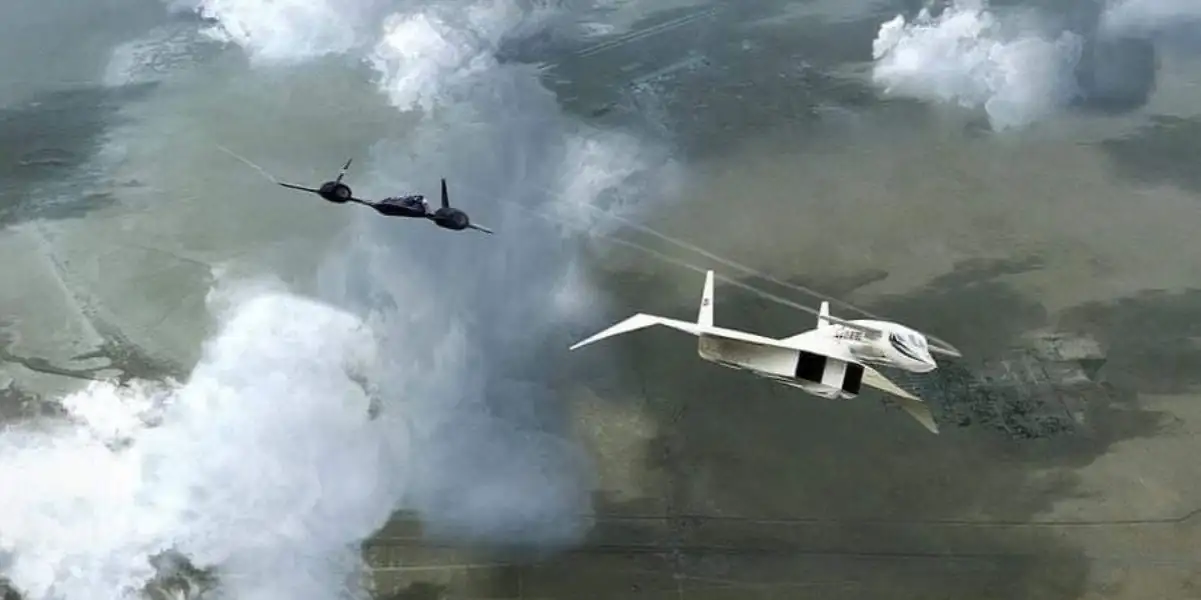
One evening at a bar, Al White of the XB-70 program was boasting about the aircraft’s impressive Mach numbers when Eastham finally lost patience. Turning to White, he said, “Al, we accumulate more Mach 3 flight time during a single YF-12 mission than your entire program has managed.”
Without missing a beat, White replied, “That’s true, Jim, but the pieces we lose are larger than the aircraft you fly.”
The XB-70 was an enormous aircraft. Although the YF-12 was hardly small at 107 feet long, the Blackbird appeared diminutive when the two aircraft were compared side by side.
Check out the Born into the Wild Blue Yonder Habubrats Facebook page for further Blackbird photos and stories.
Photo by U.S. Air Force and Peter Chilelli


